How to Tackle Roof Decking Mold Cleaning Without Damaging Your Structure
If you have ever climbed into an attic on a humid Fort Worth afternoon and noticed a musty smell mixed with dark streaks across the plywood or OSB decking under your roof shingles, you already know the problem. Mold on roof decking is not just unsightly. It can weaken the structural panels over time and spread spores into the living space below. The challenge is that roof decking sits in a hard-to-reach spot where heat, moisture, and limited airflow create ideal conditions for mold and mildew to thrive. Cleaning it requires a careful approach that kills the growth without soaking the wood or driving moisture deeper into the assembly.
Understanding Why Mold Grows on Roof Decking
Roof decking is the layer of material that sits directly under the roof shingles. In many homes across Texas, that layer is either OSB decking or plywood decking. Both are porous and absorb moisture easily. When a roof leak develops, water can travel along the underside of the shingles and soak into the decking. Even without a visible leak, attic moisture from daily living - cooking, showering, even breathing - can condense on the cold underside of the roof sheathing during cool nights. If roof ventilation is poor, that moisture never fully dries out, and mold takes hold.
I have seen cases where a small roof leak went unnoticed for months, and by the time the homeowner spotted a stain on the ceiling, the mold on the decking had already spread across several panels. In other situations, the mold was limited to a small patch near a bathroom vent that was not properly sealed. The point is that the source of moisture matters as much as the mold itself. No amount of cleaning will stop the problem if the roof leak or attic moisture is not fixed first.
Assess Before You Clean
Before you start any roof decking mold cleaning, take time to figure out what you are dealing with. Surface mold is common and can often be cleaned with the right products. Deeper growth that has penetrated the wood fibers may require partial replacement of the decking. Also check for active moisture. If the wood feels damp or you see water stains, track down the leak. Common culprits include damaged flashing around vents, cracked roof shingles, or ice dam damage from the previous winter. In Fort Worth, summer thunderstorms can drive water under loose shingles, so inspect the roof after heavy rain.
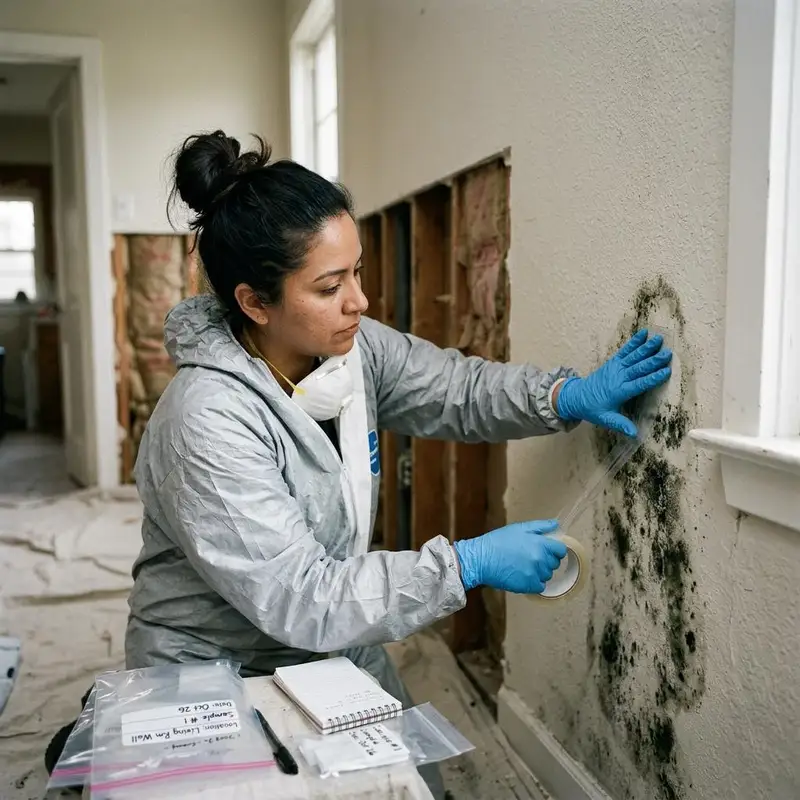
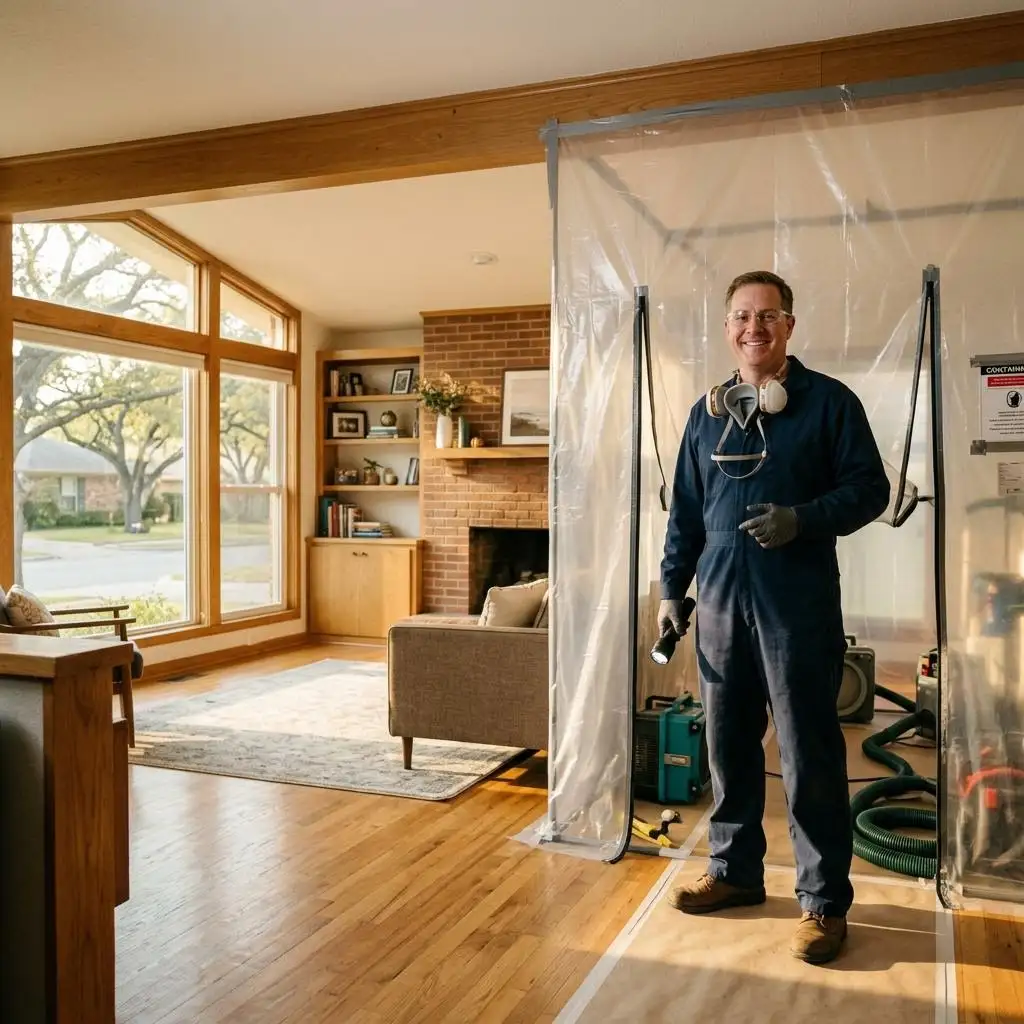
You will also want to protect yourself. Mold spores can irritate the lungs and skin. Wear an N95 respirator, gloves, and eye protection. Seal off the attic from the living space below with plastic sheeting if possible, and use a HEPA vacuum to capture loose spores before you start scrubbing. A vacuum with a HEPA filter is essential because regular vacuum bags can release spores back into the air.
The Right Cleaning Approach for Roof Decking
When it comes to actual cleaning, the method depends on the severity of the growth and the type of decking material. OSB decking is more sensitive to water than plywood because it is made of compressed wood strands and can swell or delaminate if soaked. Plywood holds up better to moisture but still needs care. In both cases, the goal is to apply a mold-killing solution without saturating the wood.
Bleach is a common first thought for many people. It is cheap and widely available. But bleach has a real downside on porous surfaces like wood. The chlorine in bleach does not penetrate deep enough to kill mold roots, and the water in the bleach solution can actually feed the mold if it soaks into the wood. I have seen cases where someone bleached a patch of mold on roof decking, and the mold came back darker within weeks. For non-porous surfaces like tiles or glass, bleach works fine. For wood, it is better to avoid it.
Hydrogen peroxide is a better option. A 3 percent solution from the drugstore can kill mold on contact and then break down into water and oxygen, leaving no harsh residue. For tougher growth, you can use a 6 or 8 percent solution, but be careful with higher concentrations on painted or treated surfaces. Spray it on, let it sit for ten minutes, then scrub lightly with a stiff brush. Wipe away the residue with a damp cloth and let the area dry completely.
White vinegar is another household product that works surprisingly well on mild mold. The acetic acid in vinegar kills many common mold species. Spray full-strength white vinegar onto the affected area, let it sit for an hour, then scrub and wipe clean. Vinegar has a strong smell that fades as it dries. It is less effective than hydrogen peroxide on heavy growth, but it is a good first pass for light surface mold.
Boric acid is sometimes used in commercial mold cleaners because it is a mild fungicide and also kills insects. You can find it in powder form and mix it with water. It works slowly and is more of a preventive treatment after cleaning. If you have had recurring mold on your roof decking, a boric acid solution can help keep it from coming back.
Commercial Products That Work
For a more reliable result, many professionals reach for products designed specifically for mold remediation. Concrobium is a popular choice. It works by creating a crystalline barrier that encapsulates mold spores and prevents regrowth. You spray it on, let it dry, and the mold is effectively sealed. It does not require scrubbing, which is a plus on delicate decking. Concrobium is safe on most surfaces and does not bleach the wood.
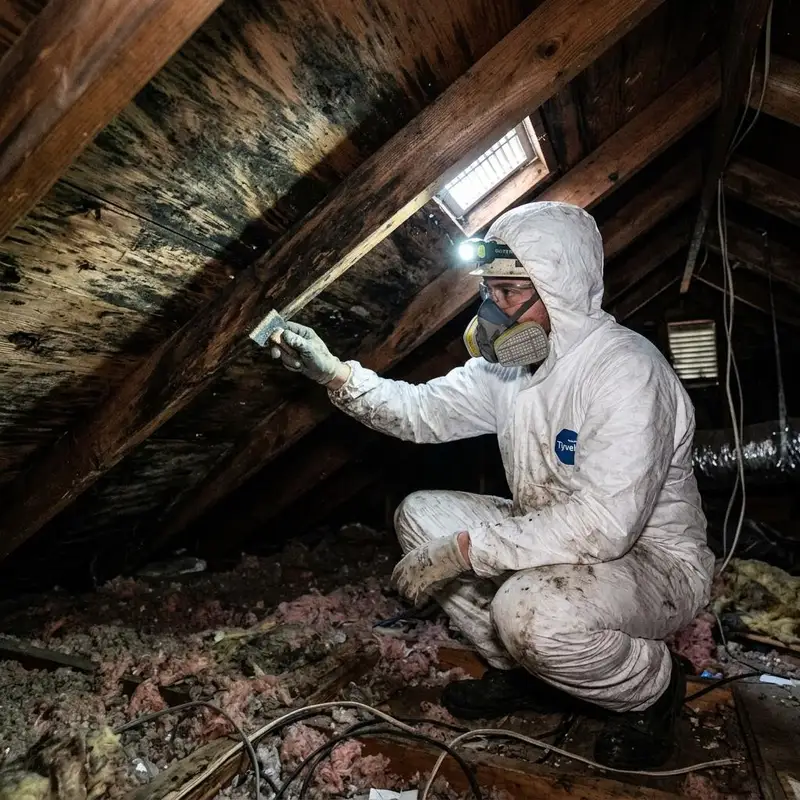
RMR-86 is another product that gets strong results. It is a fast-acting mold stain remover that works in seconds on many surfaces, including wood. You spray it on, watch the stain fade, and then rinse or wipe. It contains a mild acid that can lighten some wood tones, so test it in an inconspicuous area first. I have used RMR-86 on plywood decking with good results, but it is best for surface stains rather than deep growth.
Wet and Forget is a hose-end product that many people use on outdoor surfaces like siding and decks. It can also work on roof decking if the area is accessible from outside, but it requires rain or rinsing to activate. For indoor attic use, there are better options because Wet and Forget takes days to work and needs moisture to trigger the cleaning process.
When to Bring in a Pressure Washer or HEPA Vacuum
If the mold is thick or covers a large area, you might consider using a pressure washer. But be very careful. A pressure washer can drive water deep into the decking and into the attic space, causing more damage. It can also blow off loose shingles if used from outside. I only recommend a pressure washer for roof decking that is already exposed during a re-roofing project, not for a finished roof. In most cases, a HEPA vacuum followed by a spray-on cleaner and a scrub brush is enough.
After cleaning, let the area dry thoroughly. Open attic vents or run a fan to speed up drying. If the roof ventilation is inadequate, consider adding ridge vents or soffit vents to keep the attic dry. Good roof ventilation is one of the best long-term defenses against mold on decking. A moisture barrier installed on the attic floor can also help prevent ground moisture from rising into the roof cavity.
Preventing Mold From Coming Back
Once you have completed the roof decking mold cleaning, you want to make sure it stays clean. Fix any roof leaks immediately. Check the condition of your roof shingles and replace any that are cracked or missing. Improve attic moisture control by venting bathroom fans and dryer vents to the outside, not into the attic. If your attic has a dirt floor or exposed insulation, consider adding a vapor barrier to block moisture from the ground.
I have also seen good results from applying a mold-inhibiting primer or paint to the cleaned decking. Some products contain fungicides that can extend the time between cleanings. Just make sure the wood is fully dry before applying any coating, or you risk trapping moisture behind it.
The reality is that roof decking mold cleaning is not a one-time fix. It is part of ongoing home maintenance, especially in a climate like Texas where humidity is high and summer storms are frequent. But with the right approach - using effective products like hydrogen peroxide, Concrobium, or RMR-86, and addressing the underlying moisture problem - you can keep your roof decking structurally sound and your attic air clean.
If you ever feel unsure about the extent of the mold or whether the decking has been compromised, call a professional who specializes in mold remediation. They can test the wood for moisture content, identify hidden leaks, and recommend whether cleaning or replacement is the better path. A little caution upfront saves a lot of trouble later.